10 Simple Habits for a Healthier and Happier Life
A healthier life does not require a complete reinvention. These ten realistic habits can support your energy, mood, focus, and everyday well-being.
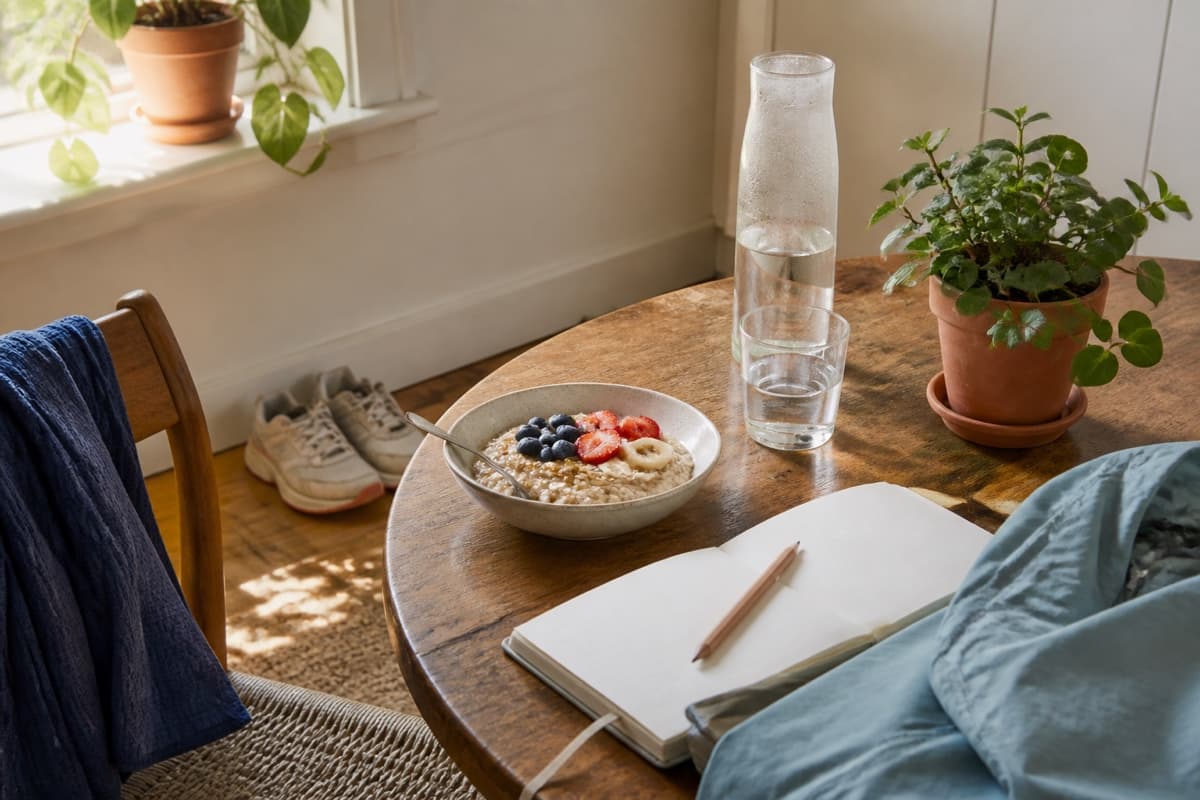
Big lifestyle changes are exciting for about a week. Then work gets busy, sleep gets interrupted, or the weather turns bad—and the perfect plan quietly disappears.
Small habits are less impressive, but they are easier to repeat. That is what makes them useful. The World Health Organization includes sleep, movement, nutritious food, and social connection among the everyday choices that support health and well-being.
Here are ten simple habits that can fit into ordinary life.
1. Keep a Regular Sleep Window
Try to go to bed and wake up at roughly the same time most days. A consistent schedule is often more practical than chasing a perfect bedtime routine.
Sleep needs vary with age and circumstances. If you regularly wake exhausted or struggle to sleep, the CDC's sleep guidance is a useful starting point—and persistent problems are worth discussing with a healthcare professional.
2. Drink Water Before You Get Busy
Have a glass of water with breakfast or keep a bottle where you work. There is no universal rule that everyone must drink the same number of glasses. Climate, activity, diet, pregnancy, medication, and health conditions all matter.
The useful habit is simply making water easy to reach.
3. Move Every Day
Movement does not have to mean a formal workout. A brisk walk, household chores, cycling, gardening, or ten minutes of stretching all count.
WHO emphasizes that any activity is better than none and recommends that adults gradually work toward regular weekly movement. Start at a level that is safe for you and build from there.
4. Build Meals Around Real Food
Instead of following a complicated food trend, make one small upgrade: add vegetables to lunch, choose fruit for a snack, or include beans, whole grains, eggs, fish, or another suitable protein.
Healthy diets look different across cultures and budgets. WHO's healthy diet guidance focuses on adequacy, balance, moderation, and variety rather than one perfect menu.
5. Choose Three Priorities
A long task list creates the feeling that everything is urgent. At the beginning of the day, choose three things that would make the day feel meaningfully complete.
They do not all need to be work tasks. One might be preparing dinner, calling a friend, or taking a proper break.
6. Step Away From Screens on Purpose
Pick one dependable screen-free moment: breakfast, a short walk, the first 20 minutes after arriving home, or the final part of the evening.
The goal is not to reject technology. It is to create a few moments when your attention is not being requested by a device.
7. Make Good Choices Convenient
Put walking shoes by the door. Keep fruit visible. Place a book beside your chair. Charge your phone outside the bedroom if late-night scrolling is a problem.
Willpower is unreliable when you are tired. A supportive environment does more of the work for you.
8. Take Short Recovery Breaks
A useful break changes your state. Stand up, look out a window, stretch, refill your water, or walk around the room.
Scrolling through another feed may feel like a break, but it often gives your attention more information to process.
9. Stay Connected to People
Send a thoughtful message, share a meal, or schedule a regular call. Connection does not need to be spontaneous to be genuine.
If your weeks become crowded, putting social time on the calendar can protect it from being repeatedly postponed.
10. Review the Week Without Judging It
Once a week, ask three questions:
- What helped?
- What made life harder?
- What is one adjustment I can try next week?
Treat this as information, not a performance score. Missing a habit does not mean you have failed; it usually means the habit or environment needs adjusting.
Start Smaller Than You Think
Choose one habit from this list and make it easy enough to repeat on a difficult day. Once it feels ordinary, add another.
A healthier and happier life is rarely built through one dramatic decision. More often, it grows from small choices that quietly begin to support one another.
Share