Budget-Friendly Ways to Refresh Your Home
Give your home a fresh, comfortable feel without a major renovation using affordable changes, thoughtful rearranging, and items you already own.
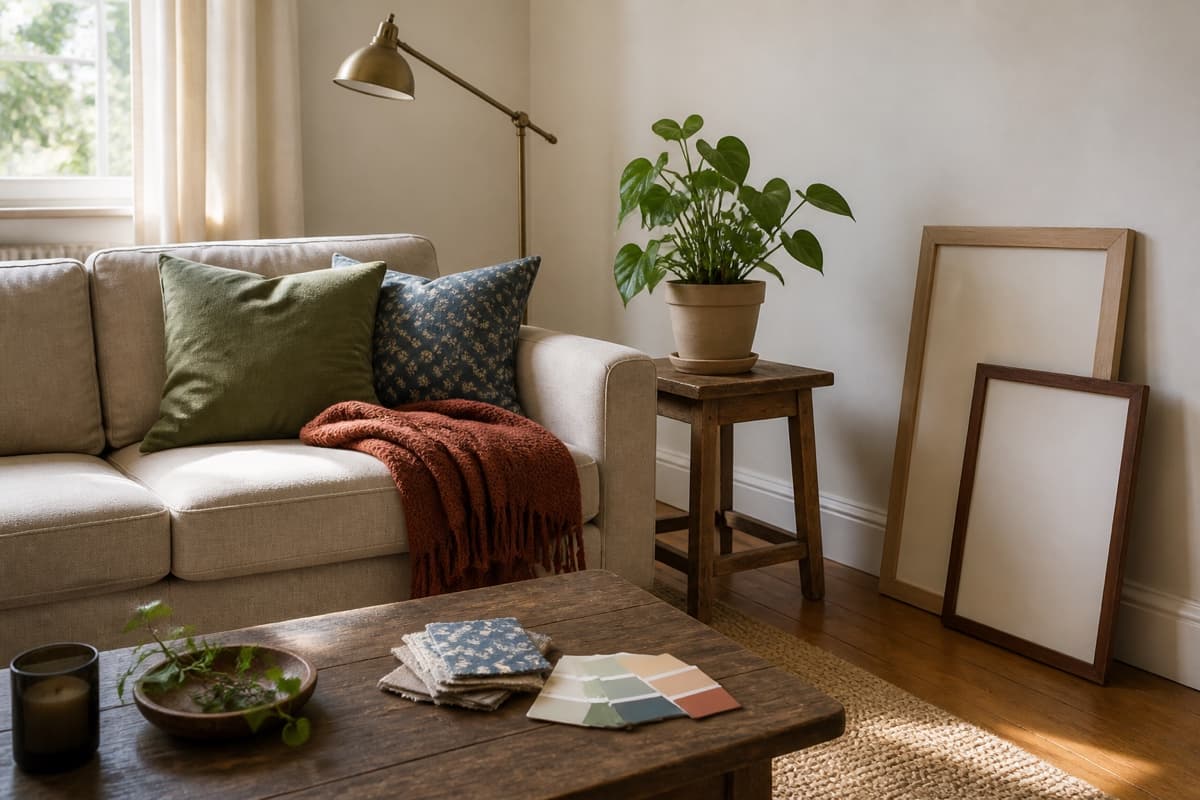
A room can feel tired long before anything in it is actually worn out. Often, the problem is not the furniture itself. It is clutter, poor lighting, an awkward layout, or a collection of small items that no longer work together.
Refreshing your home does not have to mean replacing everything. Start by improving how the room functions, then spend only where a change will be noticeable.
Clear the Room Before Buying Anything
Remove items from shelves, tables, and the floor. Clean the surfaces and live with the room in a simpler state for a day.
This makes it easier to see what the space needs. It also prevents you from buying storage for things you do not actually want to keep.
Create three groups:
- Keep in this room
- Move somewhere else
- Donate, sell, or recycle
Rearrange the Furniture
Changing the layout is free and can make a larger difference than new decoration.
Try moving seating away from the walls, opening a clearer path through the room, or turning a chair toward the window. In a bedroom, repositioning a small table or lamp may improve both movement and comfort.
Take a photograph before and after. A photo often reveals awkward spacing that is harder to notice in person.
Improve the Lighting
One ceiling light rarely creates a comfortable room. Use a combination of general, task, and ambient lighting where possible.
You might:
- Move a floor lamp beside a reading chair.
- Add a warm bulb to a table lamp.
- Clean dusty shades and fixtures.
- Use a mirror to reflect natural light.
- Replace a damaged or dated lampshade.
Check that bulbs are suitable for their fixtures and avoid overloading sockets or extension cords.
Change Textiles, Not Furniture
Cushion covers, throws, curtains, and bedding introduce color and texture at a lower cost than replacing large pieces.
Work with a small palette: one main neutral, one supporting color, and one accent. Mixing linen, cotton, wool, or woven textures can make a room feel layered without making it busy.
Wash or steam existing textiles before deciding they need replacing. Fresh curtains and clean upholstery can change the entire room.
Refresh One Wall
You do not need to repaint the whole house. A single wall, doorway, shelf, or piece of furniture may be enough.
Use leftover paint if it is still in good condition, or buy a small sample before committing. Colors can look very different in morning and evening light, so test them for a few days.
If painting is not possible, group photographs, prints, or empty frames you already own into a simple arrangement.
Bring in Something Living
A plant, small herb pot, or vase of branches adds shape and movement to a room.
Choose plants according to the light you actually have, not the corner where you wish they would grow. If live plants are impractical, dried branches or locally available foliage can create a similar natural element.
Shop Your Own Home
Move a tray from the kitchen to a coffee table. Use a small stool as a bedside table. Bring a neglected lamp into the living room. Group books by subject or size rather than buying decorative objects.
Sometimes a room needs a better edit, not more belongings.
Buy Secondhand With a List
Thrift stores and local marketplaces can be useful, but low prices still add up. Measure the available space and keep a short list of what you need.
Check secondhand furniture for stability, pests, odors, water damage, and repair costs. A bargain that requires tools, transport, and extensive restoration may not be a bargain in the end.
Focus on the Area You See Most
If time and money are limited, improve one visible zone: the entryway, the wall behind the sofa, the bedside table, or the kitchen counter.
Finishing one small area creates more satisfaction than spreading several incomplete changes around the house.
Final Thoughts
A successful home refresh should make the space easier to use and nicer to return to. Clear what you do not need, improve the layout, adjust the lighting, and reuse what you already own before shopping.
The most inviting homes are not necessarily the most expensive. They are the ones that feel considered, comfortable, and connected to the people who live there.
Share