SEO Basics for Beginners: A Practical Guide to Getting Found Online
SEO basics that actually matter: crawlability, search intent, useful content, descriptive titles, internal links, page speed, and Search Console measurement.
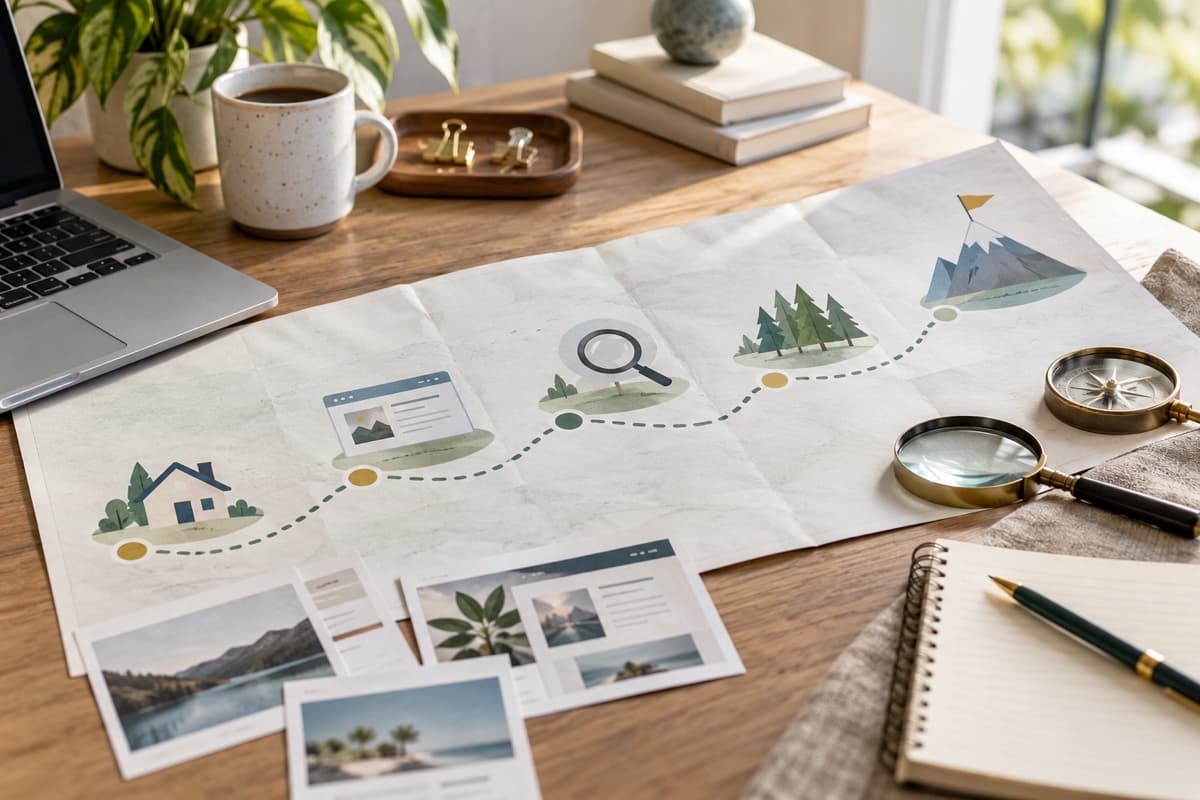
SEO isn't magic. It's making your site easy to understand—for people first, search engines as a result. No switch gets you to #1. Just sensible improvements that help the right person find you.
1. Can Google Find Your Site?
A page can't rank if it's blocked, broken, or orphaned. Check:
- Important pages return
200(not 404 or 500) - Site runs on HTTPS
- Navigation works on desktop and mobile
- No accidental
noindextags - Sitemap lists your public URLs
- Every important page is linked from somewhere else
Search site:yourdomain.com for a rough check. Then use Google Search Console for the real picture. See Google's SEO Starter Guide for the official version.
2. Match the Page to Search Intent
Someone searching "how to clean leather shoes" wants instructions. Someone searching "best leather shoe cleaner" is comparing products. Same words, different intent.
Give each page one clear purpose. Focused pages are easier to write, easier to rank, easier to read.
3. Write Titles That Say Something
Every important page needs a unique, descriptive title. No exaggeration. No repeated phrases.
Meta descriptions are summaries, not guaranteed ads. Google often rewrites them to match the query.
Be specific. "Services" says nothing. "Residential Roof Repair in Austin" sets an expectation.
4. Write for Humans First
One main heading. Helpful subheadings. Short paragraphs. Answer the main question early.
Use keywords naturally. Don't chase density targets. Google's spam policies call keyword stuffing manipulative.
If a page reads like it was written for a search engine, it's written for the wrong audience.
5. Link Internally Like You Mean It
Internal links help visitors keep reading and help Google find related pages. Link from meaningful phrases—not "click here."
Three or four relevant links per page beats twenty random ones.
6. Don't Ignore Speed and Mobile
A useful page still loses visitors if it's slow, jumpy, or unreadable on a phone. Test on a real device, not just a fast office computer.
Google uses page experience as a ranking factor. Users use it as a reason to leave.
7. Measure What Happens
Connect Search Console. Watch queries, clicks, impressions, CTR, and position.
Don't judge SEO by rankings alone. Track whether visitors find useful pages and take action—contact, subscribe, buy.
SEO takes weeks to show results. Record changes. Review trends over 4–8 weeks. Don't reverse a good change after two quiet days.
Bottom Line
Crawlability, search intent, useful content, descriptive titles, internal links, page speed, and measurement. That's it. Every advanced tactic builds on these.
Skip the shortcuts. There aren't any. Just consistent work on the basics, done better than your competitors.
Share