How Parents Can Support Their Children's Education at Home
I tried hovering over homework. It didn't work. Here's what actually helps—steady routines, better questions, and knowing when to back off.
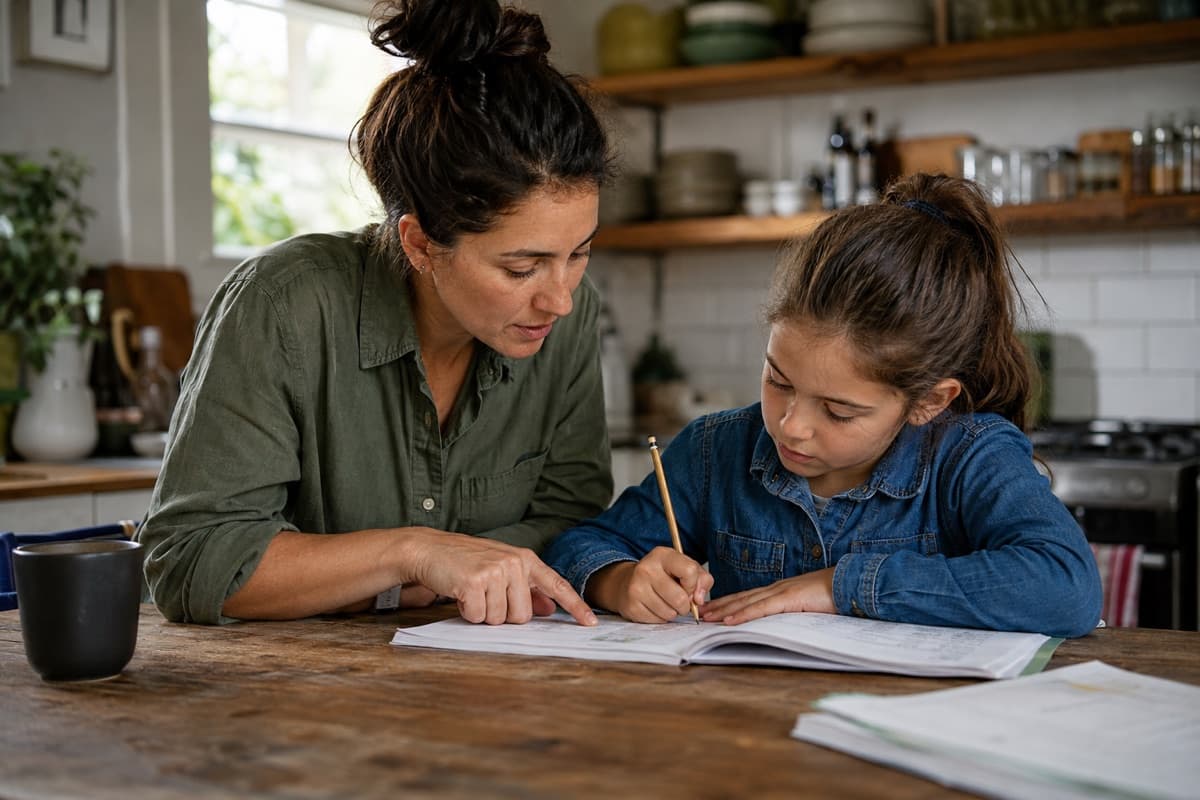
I used to think supporting my kid's education meant sitting next to him every night, correcting every mistake. That lasted about a week. By Thursday, we were both miserable over a fractions worksheet. I was googling "common core math" like it was a foreign language. He was crying. I was frustrated. And nobody was learning anything.
So I backed off. Not completely—just enough to let him breathe. And honestly? That's when things got better.
Here's what I've learned. You don't need to be a teacher. You need to be a steady presence. A partner. Someone who makes home feel like a safe place to ask dumb questions and get things wrong.
1. Create a predictable learning rhythm
I'm not a schedule person. But my son is. He needs to know when homework happens. So we picked 5:30. Right after snack, before dinner. Same spot: kitchen counter. Pencils in a cup. Charger plugged in.
If we skip the routine, we fight. If we keep it, he just sits down and starts. It's not magic. It's just removing the daily negotiation.
2. Ask better questions
Stop asking "How was school?" It's a dead end. My son says "fine" and disappears.
Now I ask weird, specific stuff: "Who got in trouble today?" "What was the weirdest thing in your lunch?" "Did your teacher say anything funny?"
Sometimes I get a story. Sometimes I get a grunt. But it's better than "fine." And when he does talk, I try to shut up and listen. Not fix. Just listen.
3. Help without taking over
When he's stuck, my instinct is to grab the pencil. I have to physically sit on my hands.
Instead, I ask him to read the instructions out loud. Then I ask what he's tried. If he's really overwhelmed, we do the first problem together. Then I say, "Okay, your turn." And I walk away.
The goal isn't a perfect worksheet. It's him learning he can figure things out.
4. Make reading part of ordinary life
Reading isn't just chapter books. My kid reads graphic novels. He reads sports stats. He reads the back of the cereal box.
We cook from recipes. We read instructions for Lego sets. I let him see me reading, too—not just on my phone, but actual books.
For younger kids, take turns reading out loud. It feels less like a test and more like hanging out.
5. Stay in contact with teachers
Don't wait for a bad report card. I email my son's teacher in September, just to say hi and ask how she likes to communicate. Now I know she prefers email.
When something comes up—like the week he wasn't sleeping—I give her a heads-up. She's not a mind reader. A quick note helps her help him.
6. Notice effort and strategy
I used to only praise good grades. But that's not the whole picture.
Now I notice when he goes back to a hard problem. When he asks for help. When he tries a different way after getting stuck.
And when he gets something wrong, I don't pretend it's right. I say, "That's not right yet. Let's trace your steps." Mistakes are part of it. Not a failure.
7. Protect rest and free time
Kids need sleep. They need to run around. They need to hang out with friends and do nothing.
More worksheets aren't always the answer. If homework is taking hours and ending in tears, that's a sign something needs to change.
I've emailed a teacher before and said, "This is taking too long. Can we adjust?" It felt awkward. But it was the right call.
8. Know when to ask for additional help
A bad quiz or a rough afternoon doesn't mean something is wrong. But if you're seeing weeks of changes—mood, sleep, attendance, grades—pay attention.
Start with a calm conversation. Talk to the teacher. Then a counselor or specialist if needed.
Don't diagnose your kid from one bad week. I've been there. It's easy to panic. Don't.
Final Thoughts
Home doesn't have to be a classroom. It should be a safe harbor. A place where your kid can ask questions, make mistakes, and try again without feeling judged.
Keep your routines simple. Stay curious. Talk to the school before small problems get big.
You don't need to know all the answers. You just need to show up. Being a reliable partner is enough.
Share